
Ted’s 16,000 Woodworking Plans
Let’s talk about that ad you’ve probably seen a dozen times.
You’re scrolling, and there it is: 16,000 Woodworking Plans. Instant Access. The promise feels huge. It taps right into that quiet fantasy so many of us share—the dream of a well-ordered workshop, the smell of fresh-cut pine, the satisfaction of building something real with your own hands. For a moment, it seems like the ultimate shortcut. A single click away from becoming the person you imagine.
Then, reality whispers. What’s the catch?
Is Ted’s Woodworking a legit master key to the craft, or just another overpriced scam wrapped in glossy marketing? I needed to know. So I bought it. I spent days inside the member’s area, clicked through hundreds of those 16,000 plans, tried to build from them, and talked to others who did the same.
This isn’t a box-checking review. It’s the unvarnished truth. No hype, no agenda. Just a clear-eyed look at what you’re really getting—and who it’s actually for.
Ted’s Woodworking: Final Verdict — What 16000 Plans Actually Deliver
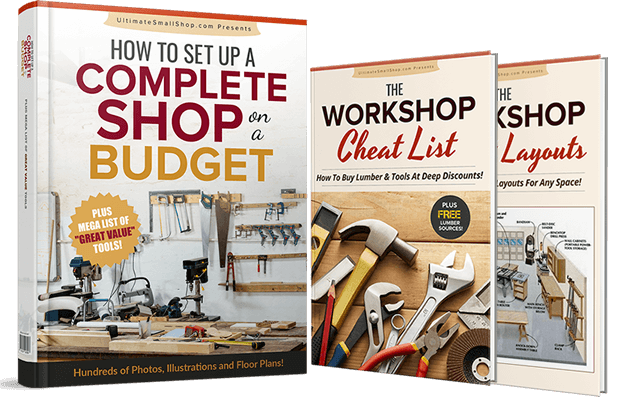
First, the number. It’s meant to dazzle. Sixteen thousand. It sounds infinite, like you’ll never hit the bottom of the project pile. And in a way, you won’t. But let’s peel that sticker off and see what’s underneath.
The “16,000 Plans” Reality Check: Quantity vs. Quality Analysis
Logging in for the first time is overwhelming. It’s a digital warehouse, aisles and aisles of projects: Adirondack chairs, gazebos, dollhouses, workbenches. The sheer volume is a thrill. But wander a little longer, and you start to notice the patterns.
That “16,000” isn’t 16,000 unique, master-class blueprints. It’s a vast collection of concepts, templates, and variations. A picnic table in six sizes. A birdhouse with five roof styles. This isn’t necessarily a bad thing—it’s about managing expectations. For the beginner starved for ideas, it’s a firehose of inspiration. For the experienced woodworker seeking architectural precision, it can feel like padding. The core of truly distinct, foundational plans is smaller, but it’s still more than any one person could build. The value isn’t in the count; it’s in whether you find your projects in there.
Inside the Member’s Area: Video Library, PDF Quality & Software Tools
This is where your money lands. The video library is helpful, but don’t picture full-length, calming YouTube tutorials. These are short, functional clips—often a minute or two—showing how a specific joint goes together or how an assembly step works. They’re lifesavers for visual learners stuck on a confusing diagram.
The PDF quality is the real mixed bag. Some plans are crisp, clean, digitally-drawn affairs with clear dimensions. Others feel like ghosts from a pre-digital age—scanned from old magazines or books, sometimes a bit fuzzy, with handwritten notes in the margins. You’re not getting a uniformly polished experience. You’re getting a history of woodworking plans in PDF form.
The bonus software—a DWG file viewer and a cut list optimizer—is fine. It’s basic. It won’t replace SketchUp for a serious designer, but for someone who just wants to print a cutting list without doing math, it’s a handy little tool. It works.
Legitimacy Flags vs. Scam Red Flags: A Neutral Forensic Breakdown
Let’s lay the evidence on the bench.
On the legit side:
-
It’s a real product. You get a massive digital package. It’s not vaporware.
-
No sneaky subscriptions. It’s one price, forever access.
-
The tools, however simple, function.
-
A 60-day refund policy exists on paper.
On the scam-adjacent side:
-
The marketing feels aggressive. Countdown timers, dramatic “act now” copy—it has that classic internet hustle vibe.
-
Claiming a “$20,000 value” is so hyperbolic it can erode trust before you even click buy.
-
The inconsistent PDF quality screams “compilation,” not “curated collection.”
-
The legal language around selling your finished work is vague enough to give anyone pause.
So here’s the neutral take: Ted’s Woodworking is a legitimate, if overhyped, digital product. You get what you pay for. But you should know exactly what that is before you pay.
Who Actually Benefits? The Perfect User Profile vs. The Disappointed Buyer
This is the heart of it. Ted’s isn’t for everyone. Its value is intensely personal.
The Beginner’s Pitfall: Common First-Week Mistakes & How to Avoid Them
I can picture the excited beginner. They download the library, dive in, and get drunk on possibility. An ornate, curly-footed Victorian chair catches their eye. “I can build that,” they think. Two days later, they’re buried in confusion, expensive lumber, and regret.
The pitfall is ambition without a map. The library’s greatest strength—endless choice—is a beginner’s trap. The one who succeeds here is the one who shows restraint. They ignore 99% of the library on day one. They search for “sawhorse” or “simple shelf.” They build that. Then a stool. Then a basic box. They use the short videos as a companion, not a crutch. They build skill in steps. The program doesn’t give you that discipline—you have to bring it.
For the Experienced Woodworker: Is There Unique Value or Just Filler?
If you’ve been at this awhile, you have your favorite books, your stack of Fine Woodworking magazines, your go-to online sources. What does Ted’s offer you?
Lateral inspiration, mostly. It’s a spark machine. Need to design a blanket chest? Browsing two dozen different interpretations in an hour can get your own creative gears turning. The cut list generator can be a handy, quick estimator for a custom project. It’s a vast digital scrapbook.
But you’ll notice the gaps. The lack of fine joinery details. The occasional fuzzy drawing. A lot of it will feel like filler you’d never use. For you, the value is narrower, but it can still be real—if you treat it as a sketchpad, not a textbook.
The “Projects That Sell” Analysis: Which Plans Have Real Market Value?
Thinking about turning a profit? The library has a certain rhythm. The projects that move at craft fairs and on Facebook Marketplace are all in here:
-
Farmhouse tables: Always in demand.
-
Adirondack chairs and porch swings: Perennial classics.
-
Planter boxes and raised garden beds: Quick, satisfying, high-margin.
-
Simple kids’ furniture: Toy chests, cradles.
The plans provide the design. Your business sense does the rest. The real profit hack isn’t in the PDF; it’s in material optimization. The cut lists are generic. Your job is to tweak them to maximize yield from standard lumber sizes at your local yard. That’s where the margin lives.
The Critical Comparison: Ted’s vs. Free & Paid Alternatives
Nothing exists in a vacuum. To understand Ted’s, you have to see what’s on the shelf next to it.
Ted’s Woodworking vs. Ana White: Free Community Plans vs. Paid Database
Ana White is a powerhouse of free, accessible woodworking. Her plans are fantastic for beginners, focusing on pocket-hole joinery and standard lumber. The comment sections on her site are like a friendly, helpful workshop.
-
Ted’s Advantage: Sheer volume and specificity. Need a plan for a Japanese-style tool shed? Ted’s might have it. Ana’s site is curated; Ted’s is a catalog.
-
Ana’s Advantage: Consistency, modern design, incredible photo tutorials, and that live, breathing community. It’s social woodworking.
-
The Real Take: They’re different tools. Use Ana to build your confidence and skills with clear guidance. Use Ted’s as an encyclopedia when you need a deep, specific, or just plain different idea.
Against Premium Competitors: Vector-Built Plans vs. Scanned PDFs
Now, compare Ted’s to a premium plan from Woodsmith or Popular Woodworking. The difference is night and day.
Premium plans are works of technical art. Professionally drafted, flawless diagrams, step-by-step photos, expert notes on technique. You pay $15 or $20 for one plan, and you get a masterclass in that single project.
Ted’s is the bulk bin. Premium is the artisan single-origin. If you’re building one heirloom-quality rocking chair and want to learn as you go, buy the premium plan. If you want 50 different “good enough” ideas for garden trellises, Ted’s wins.
The “Best Of Both Worlds” Strategy: Using Ted’s as a Supplement
This is where smart woodworkers live. Use Ted’s as your idea engine. Find a sideboard design you like. Get the basic dimensions and shape from it. Then, go to YouTube, a premium plan, or a specialized book to learn the true craft of dovetailing the drawers or finishing the top. Ted’s gives you the “what.” The wider world of woodworking teaches you the “how.” This approach turns its biggest weakness—inconsistent depth—into a non-issue.
The Purchase & Support Deep Dive
When the digital rubber meets the road, what’s the experience really like?
Securing a Refund: Documented Process & Potential Hurdles
The 60-day guarantee is real, but it’s not a one-click button. The drill is usually this:
-
Email support (find the address in your receipt).
-
State your request plainly.
-
Be prepared for a counter-offer, like a partial refund to keep access.
-
If you stand firm, a full refund should come through.
The hitch? Some reports of slow replies or requests for a “reason.” Be polite, be persistent, and keep every email. It’s a process, not an instant reversal.
Customer Service Reality: Email Response Times & Solution Effectiveness
Manage your expectations here. This is a digital product company, not a woodworking mentorship program. For access issues—lost passwords, download fails—expect a reply within a day or two. They’ll fix it.
For plan-specific questions—“Is this measurement on Plan #7,042 a typo?”—you’re likely on your own. The support isn’t designed for craft consultation. The forum or a dedicated subreddit will be more help.
Navigating the Legal Fine Print: Copyright for Personal & Commercial Use
Listen closely, because this matters. Typically, the license lets you:
-
Build the item for yourself.
-
Build and sell the finished, physical piece (you can make and sell ten tables).
It does not let you: -
Resell or share the PDF plans themselves.
-
Set up a factory line and mass-produce the item.
The wording in your member’s area is the final authority. If you’re planning a serious business, reading it carefully is the first step. When in doubt, a quick consult with a professional is worth the peace of mind.
Actionable Verdict & Strategic Recommendations
So, do you pull the trigger? Let’s make it personal.
The Definitive “Worth It” Formula (Calculate Your ROI)
Ask yourself:
-
Where am I starting? Total novice, or someone with sawdust already on my boots?
-
What do I want? One perfect plan for a specific project, or a lifetime of browsing ideas?
-
How do I learn best? From clean diagrams and quick clips, or from in-depth, narrative video?
-
What’s this worth to me? Is the price a low-risk experiment, or a significant investment I need to justify?
The Formula: If you’re a beginner or intermediate who loves to browse and dream, who finds motivation in options, and for whom the cost is a casual gamble, Ted’s will likely feel worth it. If you’re a specialist chasing mastery on a single, complex build, take that money and buy the best premium plan you can find.
If You Buy: The 72-Hour Onboarding Checklist for Success
-
Day 1: Build Your Library, Don’t Explore It. Before you look at a single plan, create folders on your computer: Outdoor, Furniture, Shop Projects, Small Gifts. Promise yourself you’ll file every download.
-
Day 2: Choose “Project Zero.” Pick the simplest, most useful thing for your space right now. A simple box. A basic plant stand. Download only its PDF and any video.
-
Day 3: Build Your Proof of Concept. Build “Project Zero.” Use it to test the process. Where did the plan confuse you? Where did the video help? This isn’t about the item; it’s about learning how you and the system work together. Get that first win.
If You Skip: The Curated List of Superior Niche-Specific Alternatives
Ted’s isn’t the only path. Here are better doors for different workshops:
-
For the True Beginner: Start with Ana White (free plans) and Steve Ramsey’s Woodworking for Mere Mortals on YouTube. It’s the friendliest on-ramp.
-
For the Hand-Tool Curious: Rex Krueger’s “Woodwork for Humans” project series is a revelation—minimal tools, maximum skill.
-
For Fine Furniture Dreams: Save up for a single, beautiful plan from Popular Woodworking or Lee Valley. Learn from the best.
-
For the Digital-Minded Maker: Learn SketchUp (free). The 3D Warehouse has countless models. Pair it with a focused course from The Wood Whisperer Guild. Build your own plans.
Products / Tools / Resources
Sometimes the right tool changes everything. If you’re stepping into the workshop, whether with Ted’s plans or anyone else’s, these are the things I’ve found indispensable—not flashy, just reliable.
For Planning & Design:
-
SketchUp Free: The go-to for visualizing a build before you touch wood. Steep learning curve, but priceless.
-
CutList Optimizer (Online): There are several free web-based ones. Saves material and headache.
-
A Good Notebook: Moleskine or Field Notes. Pencil sketches, notes, and material lists live here.
Essential Starter Tools (Beyond the Saw & Hammer):
-
A Quality Combination Square: Starrett or Swanson. If your measurements are off, nothing fits.
-
Kreg Pocket-Hole Jig (Basic Kit): For beginners, this is a game-changer for building strong, simple joints fast.
-
A Decent Block Plane: A sharp, low-angle block plane from Stanley or Lie-Nielsen fixes imperfect edges and brings wood to life.
-
Diablo Saw Blades: For your circular saw or table saw. A sharp, quality blade is safer and gives a better cut.
Learning & Community:
-
The Book: The Anarchist’s Tool Chest by Christopher Schwarz. Less about plans, more about a philosophy of craft that will outlast any trend.
-
The Forum: LumberJocks.com. A welcoming, deeply knowledgeable community. Post a question, share your work.
-
The YouTube Channel: Wood by Wright (hand tools) and 731 Woodworks (power tools). Both offer clarity, skill, and zero pretension.
The plan is just a map. These are the tools for the journey.
